

Blog
Cottage Fire Season: Prevention, and Your Rights If the Cause Wasn’t Yours

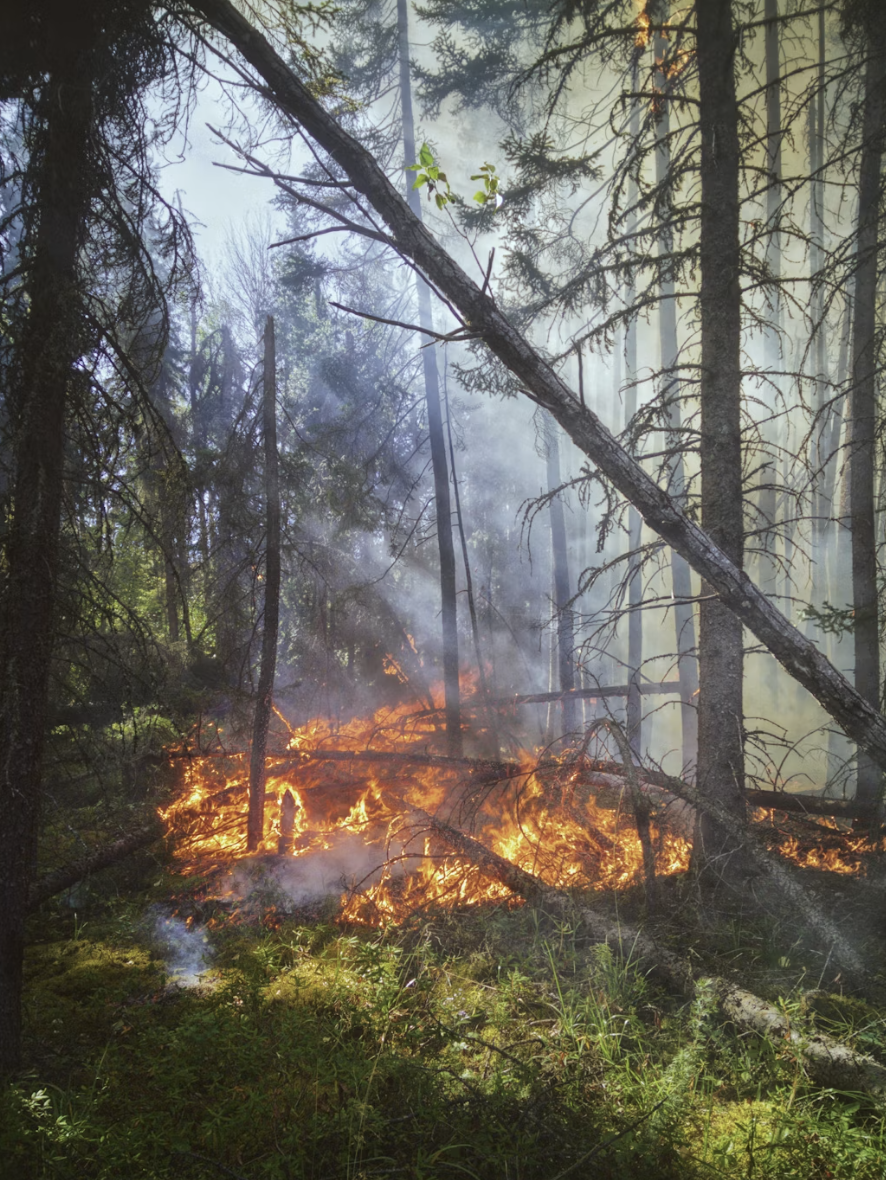
A Dry Summer Has Put Cottage Fire Safety in the Spotlight
After a string of island fires in eastern Ontario — including one cottage that burned to the ground — fire safety is top of mind for seasonal property owners. Dry conditions, wood construction, and remote locations make cottages especially vulnerable, and a small spark can spread fast.
The good news: most cottage fires are preventable, and a few simple steps dramatically lower the risk.
Smoke and CO Alarms: It’s the Law — Even at the Cottage
In Ontario, working smoke alarms are required on every story and outside all sleeping areas in every home, cabin, and seasonal property. Carbon monoxide alarms are just as critical: CO is the leading cause of accidental poisoning deaths in North America, and it can’t be seen, smelled, or tasted.
As of January 1, 2026, Ontario’s updated Fire Code requires CO alarms on every story and next to each sleeping area in any home or cottage with a fuel-burning appliance, fireplace, or attached garage. If your cottage has a wood stove, propane appliance, or fireplace, this applies to you.
Simple Steps That Prevent Most Cottage Fires
Before and during the season, make a habit of:
- Testing alarms and replacing batteries at the start of each visit
- Keeping a fire extinguisher on every floor — and knowing how to use it
- Cleaning the BBQ and keeping fuel and firewood at least 10 meters from the building
- Never leaving a grill or campfire unattended
- Dousing campfire embers until they’re cold to the touch
- Checking wiring for damage from rodents during the off-season
Island and Rural Cottages Face Longer Response Times
When a cottage sits on an island or down a long private road, help can take much longer to arrive. Some Ontario fire departments now run hands-on clinics that teach residents how to use portable pumps to hold back flames until crews arrive on scene.
As one local fire chief explained, the goal isn’t for cottagers to “become firefighters” — it’s to buy precious time. Working alarms and a maintained pump can make the difference between a scare and a total loss.
When a Fire Isn’t Just Bad Luck
Not every fire is an accident. Some are caused by faulty wiring, defective appliances, improper installations, or a landlord’s failure to maintain a rental property. When negligence is involved, the people affected may have a right to compensation for their losses and injuries.
Insurance disputes are common after a fire, too. Claims are sometimes delayed, undervalued, or denied outright, leaving families to rebuild on their own. That’s where knowing your rights matters.
We’re Here to Help
At Harris Law, we help Ontarians deal with fire loss, product-related injuries, and denied insurance claims. If a fire has caused injury or damage and you’re not sure the cause was yours, contact Harris Law for a free consultation