

Blog
Who’s Responsible When a Guest Is Injured at Your Cottage?

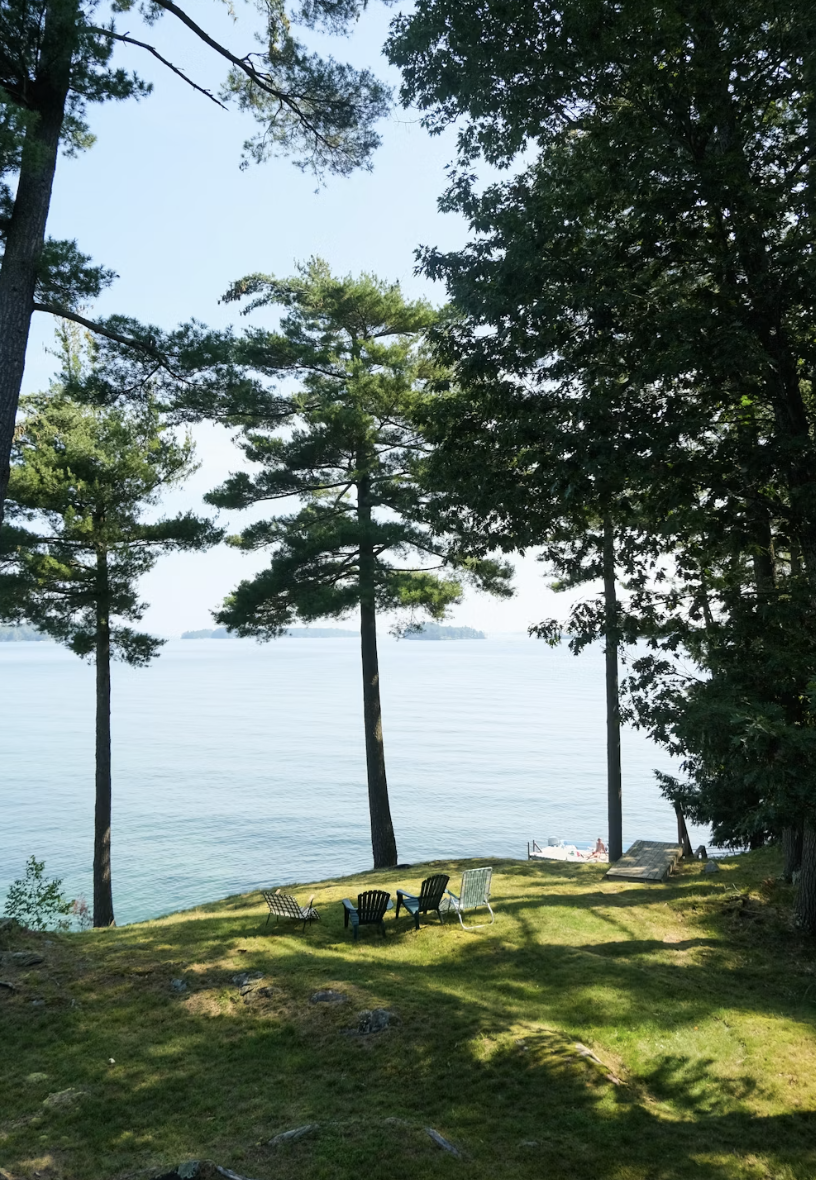
Cottage Season Brings More People — and More Risk
Warm weather draws families and friends north to the lake, and with more people coming and going, the risk of someone getting hurt increases. A slip on a wet dock, a fall on uneven ground, a burn from a fire pit — these are the kinds of accidents that can turn a relaxing weekend into a serious injury.
What many cottage owners don’t realize is that the law holds them to a clear standard of care for everyone they invite onto their property.
The Same Law Applies at the Lake
In Ontario, the Occupiers’ Liability Act requires anyone who controls a property to take reasonable steps to keep visitors reasonably safe. That duty doesn’t disappear when you leave the city for the cottage — only the setting changes.
As Linda Wolanski, a personal injury lawyer at Bogoroch & Associates, recently told Canadian Lawyer, the legal duty itself is “black and white.” The harder question is usually factual: was the property reasonably maintained, and was the hazard something the owner knew about or should have caught?
You Don’t Have to Own the Cottage to Be Responsible
An “occupier” isn’t only the person whose name is on the deed. Depending on who controls the property, someone renting a cottage and hosting guests can also be on the hook if a visitor is injured. That’s an important point in an era of weekend rentals and shared family properties.
Common Cottage Hazards That Lead to Claims
Cottages carry risks that city homes often don’t, including:
- Slippery or deteriorating docks
- Uneven, rocky, or sloped ground
- Poor lighting on stairs and pathways
- Wet walkways and unmarked drop-offs
- Fire pits, BBQs, and open flames
- Alcohol, which raises the odds of an accident around water
What Determines Whether You’re Liable
If an injury happens, the question becomes whether the occupier met their duty of care. Courts and insurers typically look at:
- Whether the property was inspected regularly
- Whether known hazards were repaired
- Whether warnings or signage were in place
- Whether the danger was reasonably foreseeable
These cases are intensely fact-driven, which is why early evidence — photos, witness details, and documentation — matters so much.
Protecting Yourself — and Knowing Your Rights
A few habits go a long way: walk your property before guests arrive, fix hazards promptly, light your stairs and docks, and confirm your cottage insurance actually covers liability for guest injuries.
If you’ve been hurt at someone else’s cottage, you generally have two years from the date of the injury to start a claim in Ontario. Acting sooner protects both your health and the evidence your case may depend on.
We’re Here to Help
At Harris Law, we handle injury claims arising on private property across Ontario — from slips and falls to serious, life-changing accidents. If you or a loved one has been injured at a cottage, contact Harris Law for a free consultation. We’ll help you understand your options so you can focus on recovery.