

Blog
Winter Driving Risks and What to Do After a Collision

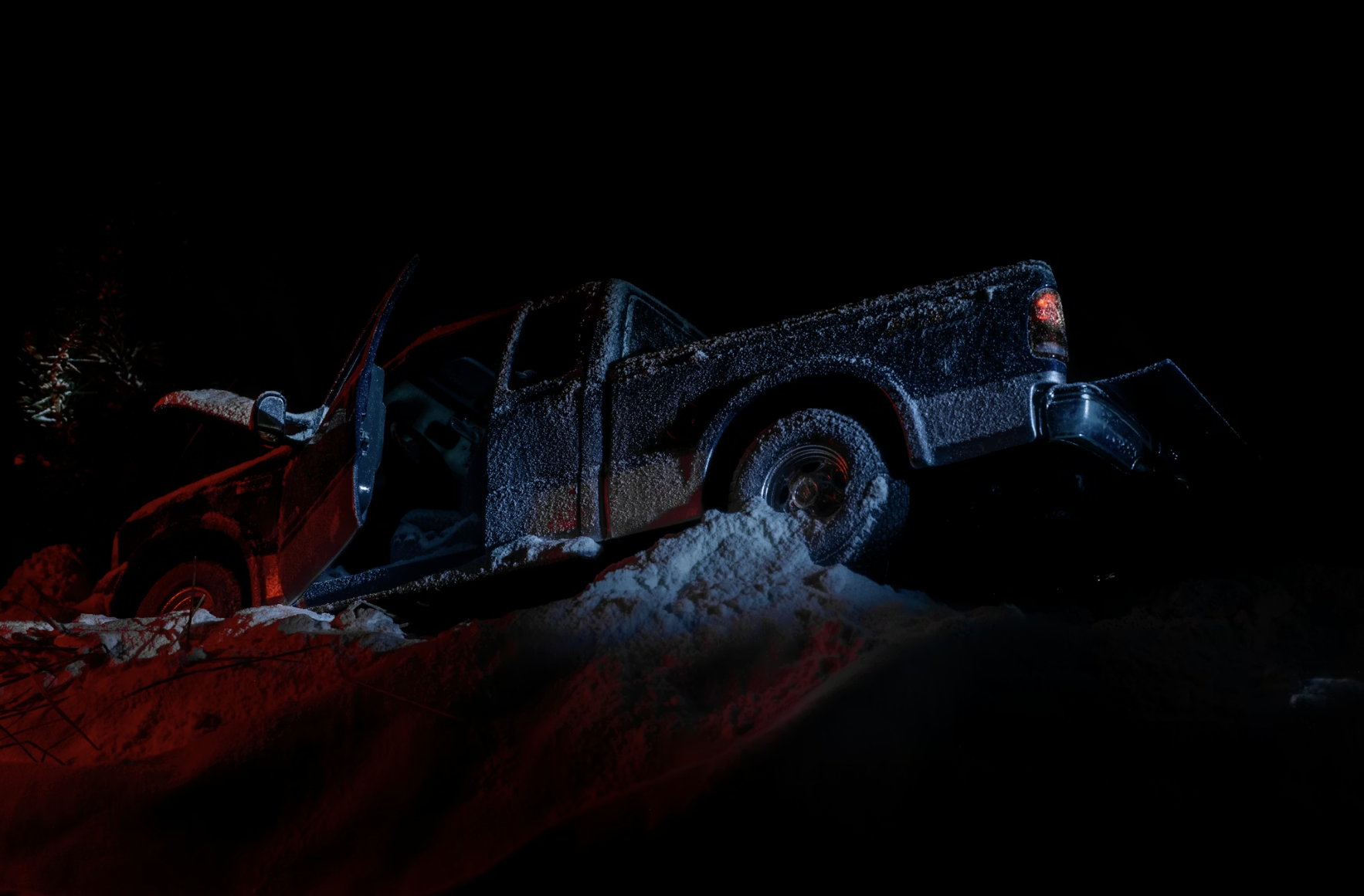
Winter driving in Ontario demands constant attention. Slushy roads, freezing rain, poor visibility, and unpredictable traffic conditions create an environment where even small mistakes can have serious consequences. When collisions occur, knowing how to respond safely can help prevent further injury and confusion.
Why Winter Roads Are So Unpredictable
Winter road conditions change quickly. A road that appears clear can hide black ice, while slush buildup can drastically increase stopping distance. Freezing rain creates one of the most dangerous surfaces drivers face, reducing traction almost instantly.
These conditions make smooth driving essential — sudden braking, sharp turns, or speeding dramatically increase the risk of losing control.
Messy Roads Require a Different Driving Approach
Winter safety isn’t about confidence — it’s about caution. Slower speeds, gentle braking, and increased following distance allow drivers more time to react when conditions worsen.
One of the biggest mistakes drivers make is failing to adjust their habits to winter roads. What feels like “normal” driving in dry conditions becomes dangerous when traction is limited.
The Compounding Risk of Distracted Driving
Distracted driving remains a growing concern across Ontario, and winter conditions amplify its dangers. Phones, in-car screens, and even quick glances away from the road reduce reaction time, something drivers can’t afford when roads are slippery.
In winter, distractions often lead to:
- Rear-end collisions on icy roads
- Missed hazards hidden by snowbanks
- Delayed braking that results in skids
Full attention behind the wheel becomes even more critical when conditions are poor.
What to Do Immediately After a Winter Collision
After a collision, confusion and stress are common, especially in winter weather. Prioritizing safety can help prevent further injury.
Key steps include:
- Checking yourself and others for injuries
- Moving vehicles out of traffic if it’s safe to do so
- Turning on hazard lights to improve visibility
- Remaining cautious when exiting vehicles on icy pavement
Secondary collisions are common after winter crashes, particularly when vehicles remain stopped in active lanes.
Understanding Fault and Next Steps
When a collision isn’t your fault, knowing what to do can protect both your health and your interests. Documenting the scene, exchanging information, and seeking medical attention — even if injuries seem minor — are important steps.
Winter collisions often involve delayed symptoms due to adrenaline and cold exposure. Pain and stiffness may not appear until hours or days later.
Reducing Risk Starts with Awareness
Winter driving requires patience, planning, and focus. Understanding how messy road conditions affect vehicle control — and how distractions increase risk — helps drivers make safer choices before and after a collision.
While winter roads will always present challenges, informed drivers are better equipped to navigate them safely and respond effectively when accidents occur.