

Blog
Winter Readiness in Ontario: How Preparation Can Prevent Serious Injuries on the Road

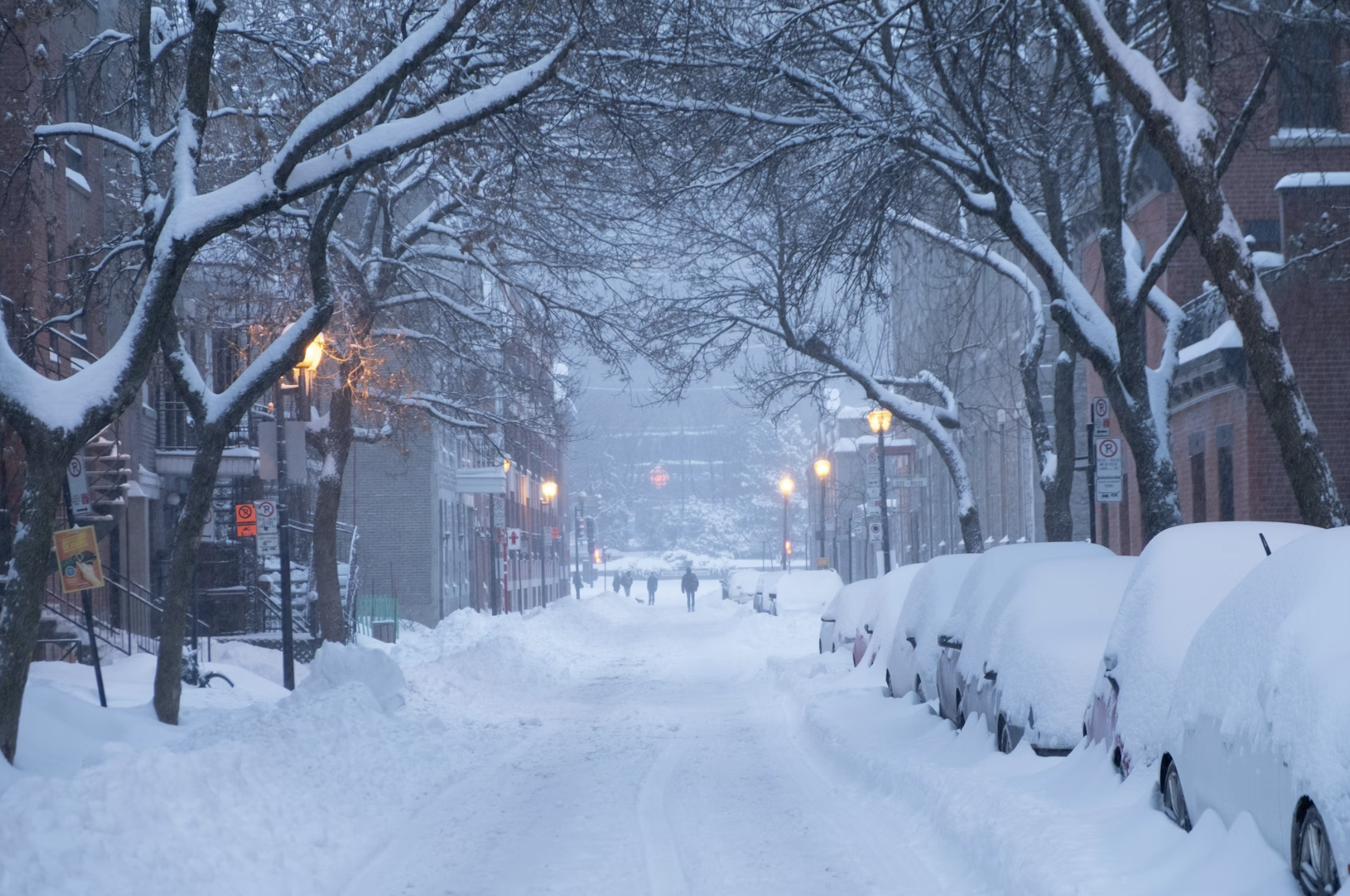
Ontario winters are more than an inconvenience; they create some of the most dangerous driving conditions in the country. Snowstorms, freezing rain, power outages, and sudden temperature drops all increase the likelihood of collisions and roadside emergencies. While municipalities work hard to keep roads clear, preparation at the individual level remains one of the most effective ways to reduce injury risk.
Why Winter Conditions Increase Collision Risk
Winter driving hazards go far beyond snow-covered roads. Reduced daylight, black ice, slush buildup, and blowing snow all impact visibility and vehicle control. Early mornings and late afternoons are particularly dangerous, when commuters face icy conditions and low visibility simultaneously.
Even cautious drivers can be caught off guard when road conditions change quickly, which is why preparation matters long before a storm hits.
Preparing Your Vehicle Before Winter Arrives
Vehicle readiness plays a major role in winter safety. Cold temperatures place additional strain on engines, batteries, and tires, increasing the risk of breakdowns or loss of control.
Key winter preparation steps include:
- Checking battery health before temperatures drop
- Installing winter or high-quality all-weather tires
- Ensuring windshield wipers and washer fluid are winter-rated
- Topping up coolant and engine fluids
- Keeping headlights and taillights clean and functional
Mechanical issues during winter often lead to roadside emergencies, situations that can become dangerous quickly if visibility is poor or traffic is heavy.
Why Municipal Snow Response Has Limits
Cities across Ontario prepare extensively for winter storms, deploying plows, salt trucks, and emergency crews in advance. However, during severe weather, roads can deteriorate faster than they can be cleared, especially during rush hour or overnight snowfall.
Drivers should expect:
- Delayed clearing during heavy or prolonged storms
- Icy patches on bridges, ramps, and shaded areas
- Reduced traction even after roads appear plowed
Municipal readiness helps, but it cannot eliminate risk. Driver behaviour remains a critical factor.
Emergency Preparedness Goes Beyond the Road
Winter storms don’t just affect driving — they can disrupt power, heat, and communication. Power outages caused by heavy snow or ice can leave households vulnerable, particularly overnight.
Basic emergency preparedness includes:
- Flashlights and spare batteries
- Fully charged phones or battery packs
- Alternative heat plans
- Food and water supplies
For drivers, a winter car emergency kit is essential. Items such as blankets, a flashlight, food, water, a shovel, and booster cables can make a significant difference if you’re stranded or waiting for assistance.
How Preparation Reduces Injury Risk
Many winter-related injuries occur not just from collisions, but from exposure, delayed response times, and secondary accidents. A stalled vehicle on a snowy highway or a driver exiting a car on icy pavement can quickly become a serious safety situation.
Preparation helps drivers:
- Avoid unnecessary travel during extreme conditions
- Maintain better control of their vehicles
- Respond calmly and safely during emergencies
- Reduce the chance of secondary collisions
A Safer Winter Starts Before the First Storm
Ontario winters are unavoidable — but many winter injuries are preventable. Preparing your vehicle, understanding municipal limitations, and planning for emergencies can significantly reduce the risks winter brings.
When drivers take winter readiness seriously, they don’t just protect themselves — they help make the road safer for everyone.