

Blog
Speeding, School Zone Safety, and the Rise of Automated Enforcement in Waterloo Region

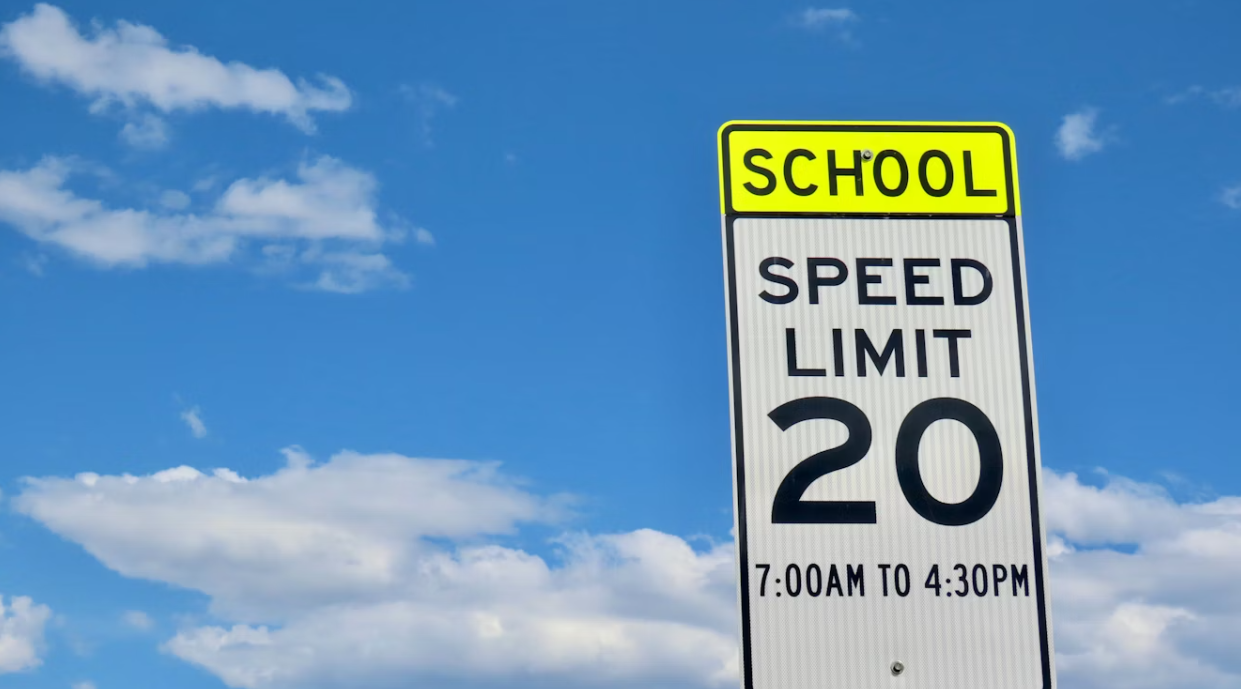
Speeding Remains a Persistent Risk in Local Communities
Despite ongoing awareness efforts, speeding continues to be a major cause of collisions across Waterloo Region. Children walking to school, pedestrians in busy neighbourhoods, and cyclists are especially vulnerable when drivers fail to slow down.
Local police report continued issues with drivers ignoring school zone limits, rolling through stop signs, and becoming distracted during peak morning and afternoon hours.
Speed Cameras Are Making a Measurable Difference
Recent regional data shows that automated speed enforcement is reducing dangerous driving, especially in high-risk school and residential areas.
When speed cameras are active, average vehicle speeds drop. And when speeds drop, collision severity decreases sharply. This link has been confirmed repeatedly in enforcement regions across Ontario.
Why School Zones Need Extra Attention
Children behave unpredictably near roads — running, biking, or stepping out from between parked cars. Even small increases in speed drastically reduce a driver’s ability to stop in time.
Police have increased their presence in school zones to address:
- Speeding during drop-off and pick-up
- Distracted driving
- Drivers ignoring crossing guards
- Congestion-related impatience leading to unsafe maneuvers
The goal is simple: protect children by encouraging slower, more attentive driving.
Community Leaders Are Calling for Safer Streets
Regional road safety summits, including recent discussions in Guelph, highlight concerns about rising pedestrian injuries, speeding, and distracted driving. Municipalities are now investing in:
- Improved signage
- Redesigned intersections
- Safer crosswalk systems
- Traffic calming measures
These steps work best when paired with strong enforcement.
Winter Conditions Make Speeding Even More Dangerous
Snowstorms reduce traction and visibility, making speeding particularly hazardous. During severe weather, collisions often involve drivers who failed to adjust their speed to conditions.
Slowing down is one of the most effective ways to prevent winter crashes, and automated enforcement reinforces this behaviour.
How Drivers Can Help Keep School Zones and Communities Safe
Safe roads rely on responsible driving. Key habits include:
Recognize school hours and slow down during active times.
Eliminate distractions — put phones away and stay alert.
Respect crossing guards, who play a critical safety role.
Drive cautiously in winter, when stopping distances increase.
Support automated enforcement, which consistently reduces speeding.
A Shared Responsibility
Speed cameras, police patrols, and infrastructure improvements all contribute to safer community roads. But long-term safety depends on drivers choosing to slow down, pay attention, and respect areas designed to protect children and vulnerable road users.