
Winter Road Safety in Ontario: Why Collisions Spike and How Drivers Can Protect Themselves

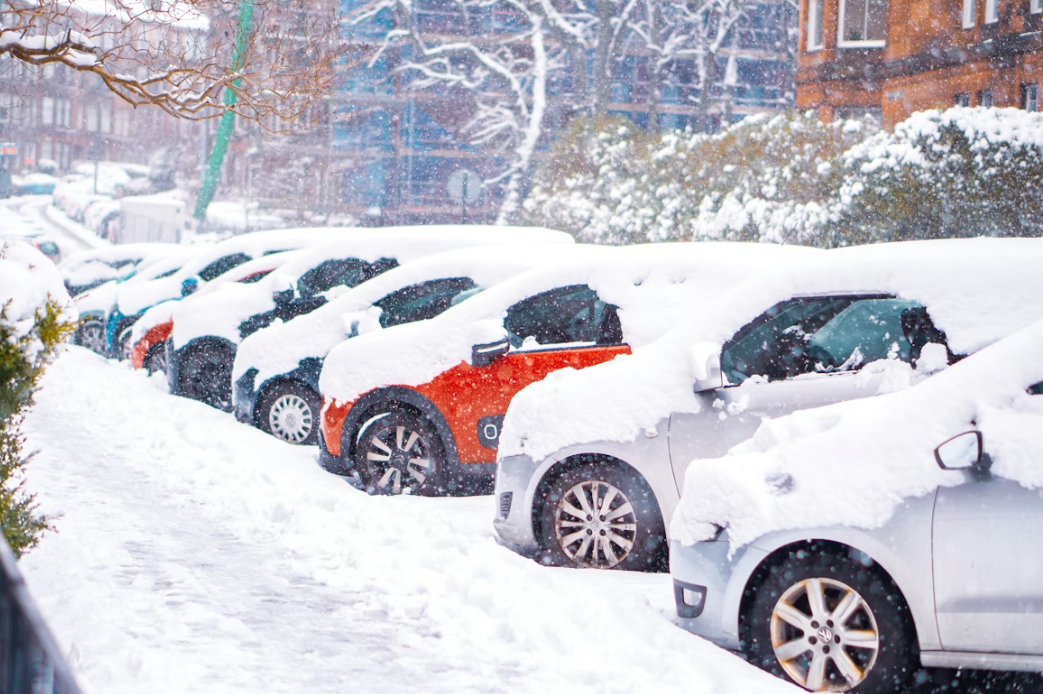
Ontario’s Harsh Winters Create Real Driving Hazards
Ontario winters are unpredictable — a mix of blowing snow, black ice, sudden whiteouts, and rapidly dropping temperatures. National reporting shows just how dangerous these conditions have become, especially during peak commuting hours when visibility is lowest.
Canada consistently ranks among the most hazardous countries for winter driving. Reduced daylight, shifting temperatures, and accumulating snow make collisions far more frequent during the cold months.
Why Collisions Increase During Peak Hours
Even experienced drivers underestimate how quickly conditions can shift. Commuters heading to work early in the morning or returning home at dusk are at the highest risk for skidding, rear-end collisions, and multi-car pileups. Temperature changes around these times often create black ice, a nearly invisible hazard known for causing sudden loss of control.
Municipal Readiness Helps — But Can’t Prevent Every Crash
Cities across Ontario deploy plows, salters, and emergency crews before storms hit. But roads often deteriorate faster than crews can maintain them during heavy snowfall, especially when storms overlap with rush hour.
This means the burden shifts to drivers to adjust their speed and behaviour — something many fail to do.
Snow-Covered Vehicles Are a Major Contributor to Winter Crashes
Police continue to remind Ontarians to fully clear snow and ice from their vehicles before driving. Snow-covered windshields and mirrors severely limit visibility. Ice sheets sliding off roofs at high speeds can strike other vehicles or cause sudden braking, triggering chain-reaction collisions.
These simple oversights play a surprising role in winter crash statistics.
The Role of Tires and Speed in Winter Road Safety
Worn or smooth tires drastically reduce traction. Even with modern stability systems, a car with poor tire grip is far more likely to skid.
Speed also remains a core cause of winter collisions. Automated enforcement in some Ontario regions shows that when drivers slow down — particularly around speed cameras — collision rates drop significantly.
The takeaway is clear: reduced speed saves lives, especially on icy or snow-packed roads.
How Drivers Can Reduce Winter Collision Risks
Ontario’s winter roads will always be challenging, but many crashes are preventable. Key safety practices include:
- Clear your entire vehicle — windows, roof, lights, mirrors.
- Slow down, even if roads appear clear.
- Increase following distance to allow extra reaction time.
- Use winter tires or high-quality all-weather tires.
- Avoid sudden braking or steering.
- Check weather reports before starting your trip.
With thoughtful preparation and safer driving habits, Ontarians can significantly reduce winter collision risks and keep themselves — and others — protected all season long.